
Introduction
Welcome! In this module, we’ll explore how Web 4.0 technologies can transform vocational education and training. You’ll discover practical ways to modernize curricula and support lifelong learning for diverse learners. Whether you’re new to digital tools or already familiar with them, this course will guide you step by step. Together, we’ll connect global trends to local realities, ensuring that education remains relevant and inclusive. Let’s start this exciting journey toward a smarter, more connected future for VET!
Learning outcomes
- Understand the concept of Web 4.0 and its role in education.
- Identify key technologies shaping modern curricula.
- Explain why lifelong learning is essential in a digital economy
- Analyze how Web 4.0 tools can be integrated into VET programs.
- Design simple activities that promote digital literacy.
- Apply strategies for inclusive and accessible learning
- Value continuous learning as a driver for empowerment.
- Embrace innovation and adaptability in teaching.
- Promote equity and inclusion in digital education.
Module overview
Access all learning resources for this module, including materials, activities, case studies, summaries, and quizzes.
1. Understanding Web 4.0 in Education: What’s changing & Why it matters
1.1 What Exactly Is Web 4.0?
Web 4.0 is the next stage of the internet — where intelligent, immersive, decentralized systems weave into everyday life.
It is powered by four closely linked technologies:
- Artificial Intelligence (AI) – systems that adapt, predict, and personalize
- Internet of Things (IoT) – devices that sense, collect, and share data
- Extended Reality (XR: AR, VR, MR) – learning through immersive digital worlds
- Blockchain – secure, trustworthy digital transactions and identities
Your learners might not use these terms, but they already live inside Web 4.0 ecosystems: mobile money, smart farming devices, personalized ads, AI translation tools, VR labs, and digital service portals.
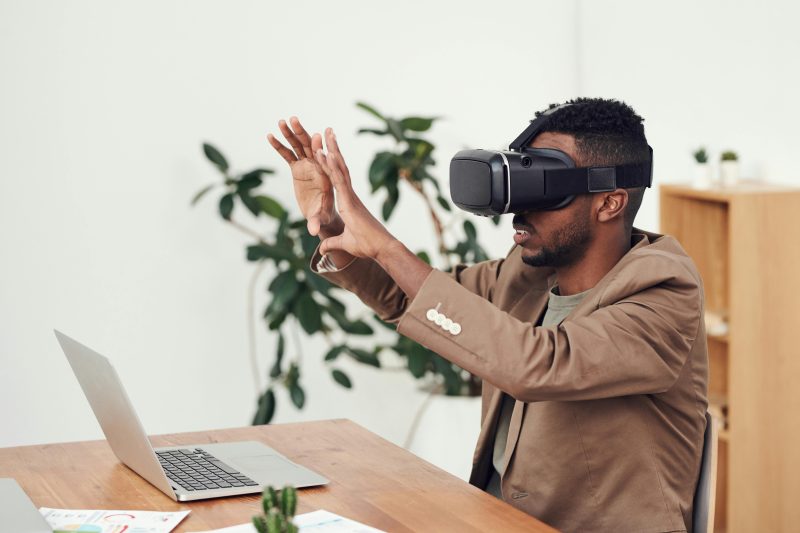
Micro Story:
In rural Tanzania, three VET teachers share a single VR headset. Yet using it only twice per month has still transformed their safety training. Students practice lock out procedures in VR before approaching real machinery. Even minimal access creates big pedagogical impact when used intentionally.